
Understanding the distinction between residential deep cleaning vs regular cleaning is essential for choosing the right service to maintain a healthy, organized home. While regular cleaning focuses on surface-level tidiness and maintenance—like dusting, vacuuming, and wiping down countertops—deep cleaning targets the built-up grime, hidden allergens, and neglected areas that standard routines often miss. In this guide, we’ll break down the key differences in scope, frequency, and goals for each service, helping you determine when to schedule each type to keep your living space truly refreshed and sanitized.
Deep Cleaning vs Regular Cleaning Services: The Smart Homeowner’s Guide
What Is Regular Cleaning and What Does It Include?

Regular cleaning is the ongoing upkeep that keeps your home looking tidy and feeling comfortable from day to day. The focus is on removing obvious dust, crumbs, and surface grime on a repeat schedule so mess never has a chance to pile up. When you stay consistent, rooms feel fresher, high-touch areas stay more sanitary, and you are not constantly playing catch-up with chores.
This type of routine is different from a one-time overhaul. In the deep cleaning vs regular cleaning conversation, regular cleaning is the steady maintenance that keeps things in check between those more intensive sessions. It covers the areas you see and use most often, rather than digging into every corner and crevice.
For most households, regular cleaning is the foundation. It keeps living spaces presentable for guests, reduces visible allergens, and makes it easier to spot when a deeper, more detailed clean is actually needed. When you understand what falls under regular cleaning, it becomes easier to decide when to schedule an occasional deep clean for the heavier work.
What Are The Typical Tasks In Regular Residential Cleaning?
Typical regular cleaning focuses on the surfaces you touch and see every day. Dusting furniture, shelves, light fixtures, and decor helps cut down on visible dust and can improve the feel of the air in your home. Vacuuming carpets and rugs pulls up loose dirt and pet hair before it grinds deeper into fibers, while mopping hard floors clears away sticky spots and everyday spills that build up over time.
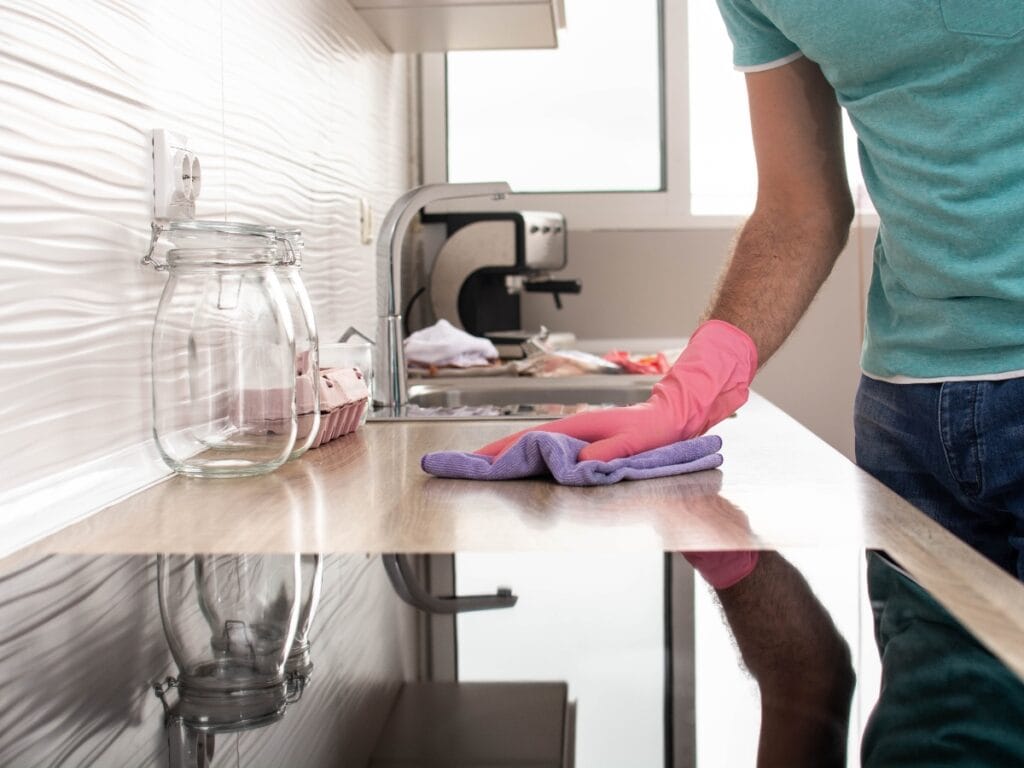
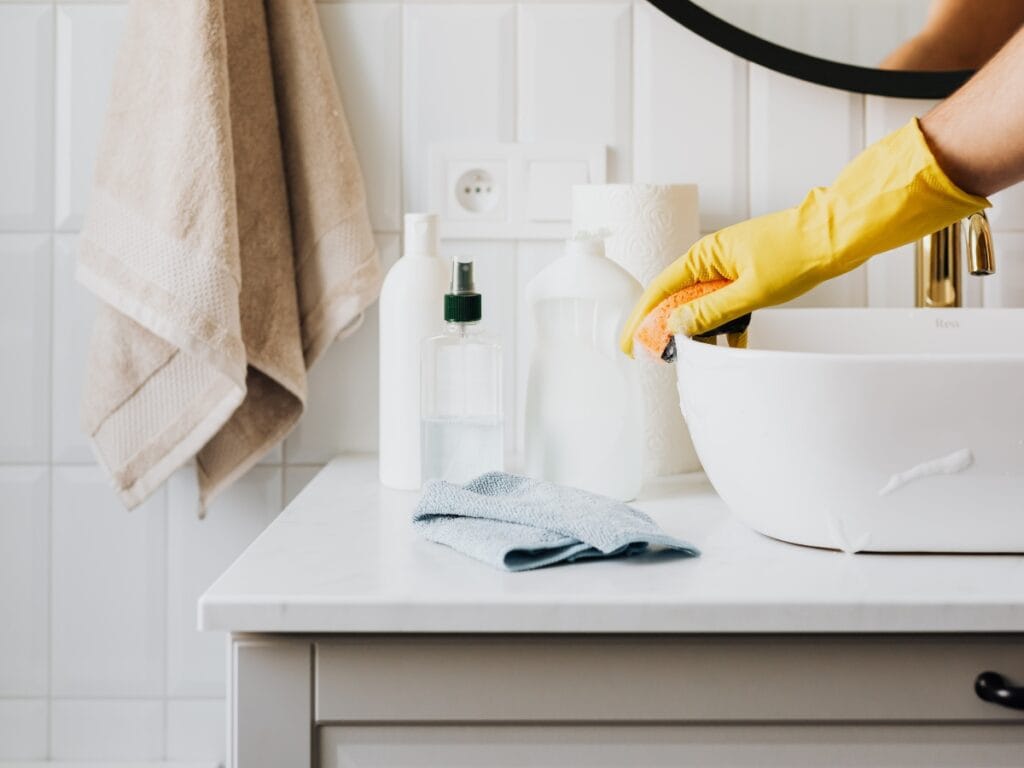
In the kitchen, routine cleaning usually includes wiping counters, cabinet fronts, and appliance exteriors so food residue does not linger. This keeps stains from setting in and supports basic hygiene where you prepare meals. In bathrooms, regular cleaning means giving attention to sinks, faucets, mirrors, toilets, and tub or shower surfaces so they stay sanitary and ready for daily use rather than waiting until everything looks noticeably grimy.
These tasks are not as intensive as deep scrubbing grout lines or pulling appliances away from the wall, but they protect your home’s baseline cleanliness. When you keep up with regular cleaning, deep sessions are needed less often and are easier to manage, which is a key benefit in the deep cleaning vs regular cleaning comparison.
How Often Should Regular Cleaning Be Scheduled?
How often you schedule regular cleaning depends on how you live in your home. Larger households, busy families, and homes with kids or pets usually see more traffic and more mess, so weekly or biweekly routines often make sense. That frequency helps keep floors, counters, and bathrooms under control and prevents clutter and dust from becoming overwhelming.
Smaller households, single occupants, or spaces that do not see much daily activity may do well with a lighter schedule, such as monthly upkeep. The goal is to choose a rhythm that keeps your home feeling comfortable without creating more work than you can realistically maintain. When cleaning happens on a predictable schedule, each visit is about maintaining a standard, not rescuing a neglected space.
Regular cleaning also makes it easier to plan deeper work. If you already have a steady routine in place, you can layer in seasonal or occasional deep cleans when you notice buildup on baseboards, inside appliances, or in less visible corners. That balance between regular care and targeted deep work keeps your home healthier, more welcoming, and easier to manage over time.
What Is Residential Deep Cleaning and How Is It Different?
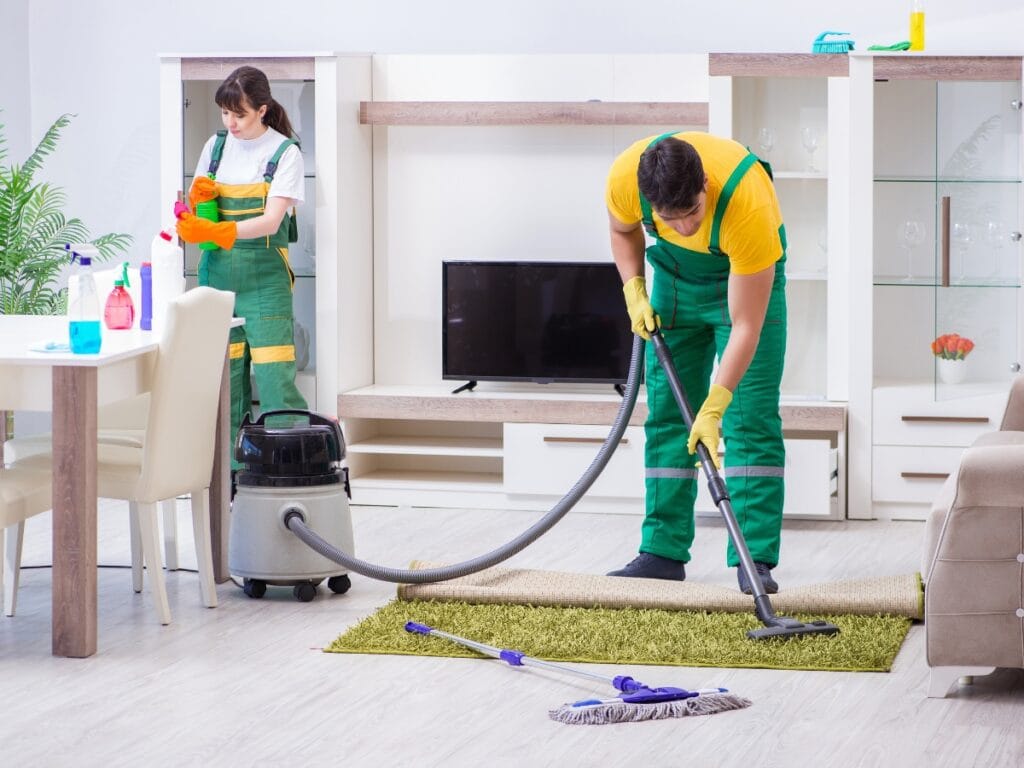
Residential deep cleaning is a more intensive kind of home cleaning that focuses on the buildup you do not see at first glance. Instead of just wiping visible surfaces, a deep clean targets hidden grime, long-standing residue, and hard-to-reach areas that a routine visit usually skims past. It often happens as a one-time reset or on a seasonal schedule and is meant to restore your space so regular upkeep feels easier and more effective.
In the deep cleaning vs regular cleaning comparison, regular cleaning handles day-to-day dust, crumbs, and surface smudges. Deep cleaning goes further by opening appliance interiors, scrubbing grout, detailing trim, and reaching vents and fixtures that collect dirt over time. The goal is not just to make rooms look tidy for a week, but to reset the home to a cleaner baseline so ongoing maintenance takes less effort and delivers better results.
What Intensive Tasks Are Included In Deep Cleaning?
Deep cleaning focuses on embedded dirt and neglected surfaces, which is why it usually takes more time and attention than a standard visit. In the kitchen, that often means cleaning inside ovens and refrigerators, removing baked-on grease, and degreasing cabinet faces and backsplash areas. These steps help remove residue that regular wiping cannot tackle and can make cooking areas feel noticeably fresher.
Bathrooms see similar benefits. Scrubbing grout and tile, removing mineral scale, and deep cleaning shower tracks help lift stains and buildup that regular surface cleaning leaves behind. This kind of detailed work can brighten the space and improve hygiene, especially in damp areas where mildew likes to settle.
Living areas and bedrooms also see attention during a deep clean. Baseboards, door frames, and window sills are dusted and wiped thoroughly, which helps reduce long-standing dust and scuffs. Ceiling fans, light fixtures, and vents are cleaned to cut down on airborne particles and improve airflow. Carpets and upholstery are often deep vacuumed or spot treated to pull out ground-in dust and pet dander. When you compare deep cleaning vs regular cleaning, room by room, the difference shows up in these details that are easy to ignore during everyday routines.
When And Why Should You Choose Deep Cleaning?
Deep cleaning makes the most sense when your home needs a full reset rather than a quick tidy. Common times to schedule it include the first professional clean after a long gap, a spring or seasonal refresh, after construction or remodeling work, or before moving into or out of a property. It is also helpful before hosting guests or a major event, when you want the entire space to feel especially fresh and well cared for.
The real value of a deep clean is the baseline it creates. Once built-up grime and dust are removed from corners, grout lines, and appliance interiors, regular cleaning can focus on maintaining that standard instead of trying to catch up. In the long run, that balance between periodic deep work and consistent routine upkeep can save time, support better air quality, and extend the life of finishes and furnishings throughout your home. for guests or an important event. A deep clean establishes a clean baseline that regular visits can keep up more easily — often saving time and money over the long term.
How Do Deep Cleaning And Regular Cleaning Compare: Scope, Cost, And Frequency?

Understanding deep cleaning vs regular cleaning makes it easier to choose a schedule that fits your home and budget. Regular cleaning focuses on day-to-day upkeep. It usually includes surface dusting, vacuuming, mopping, and light bathroom and kitchen cleaning. Visits are shorter, often weekly, biweekly, or monthly, and are designed to keep your home looking presentable and comfortable between more detailed sessions.
Deep cleaning is a more intensive visit that reaches areas regular upkeep does not cover. It typically happens as a one-time service or on a seasonal schedule. During a deep clean, the focus shifts to appliance interiors, grout lines, vents, baseboards, and other places where grime and allergens collect over time. Because it takes more time and labor, deep cleaning costs more per visit, but it also resets the space so future regular cleanings are faster and more effective.
What Are The Key Differences In Cleaning Scope And Areas Covered?
The biggest difference between deep cleaning and regular cleaning is the level of detail. Regular cleaning covers the surfaces you see and touch every day. Floors are vacuumed or mopped, counters are wiped, trash is removed, and bathrooms get a basic refresh. This keeps rooms looking neat and controls everyday dust and fingerprints without moving furniture or opening every cabinet.
Deep cleaning, on the other hand, targets buildup that has been collecting for months or even years. Inside ovens and refrigerators, grease and food residue are removed. Grout and tile in kitchens and bathrooms are scrubbed to lift stains that normal mopping leaves behind. Baseboards, door frames, window sills, vents, and ceiling fans are cleaned more thoroughly to reduce dust and improve air quality. When you compare deep cleaning vs regular cleaning side by side, deep work reaches all the neglected corners that daily routines tend to skip.
How Do Costs Differ Between Deep Cleaning And Regular Cleaning In North Georgia?
Costs reflect both time and effort. Regular cleaning is usually priced as a recurring visit and is influenced by square footage, number of bathrooms, and how often the team comes. Because the work is focused on maintenance rather than restoration, visits are shorter and the price per visit is lower. Over the course of a year, many homeowners in North Georgia find that a predictable schedule makes it easier to manage both their budget and their time.
Deep cleaning costs more per visit because it involves extra hours, heavier scrubbing, and detailed work on appliances, grout, and fixtures. Homes with larger square footage, multiple bathrooms, pets, or heavy buildup will typically fall at the higher end of the range. The most accurate way to understand pricing is to look at a written estimate that accounts for your home’s size, condition, and priorities rather than relying on a single flat number.
How Does Cleaning Frequency Impact Service Choice?
Cleaning frequency determines whether your focus is maintenance or restoration. When regular cleaning happens on a steady schedule, dust and grime have less time to accumulate. That reduces how often you need a full deep clean and helps protect finishes on floors, counters, and fixtures. The home feels consistently tidy, and even busy weeks are easier to manage because there is a reliable baseline of cleanliness.
If regular cleaning is infrequent or skipped for long stretches, buildup becomes harder to manage. By the time help arrives, the work often resembles a deep clean, with more effort needed to bring everything back to a comfortable standard. A simple approach is to start with a thorough deep cleaning to reset the space, then move into a weekly, biweekly, or monthly regular schedule. That balance between deep cleaning vs regular cleaning gives you both a fresh start and a realistic plan for keeping your home in good shape over time.a baseline, then choose a recurring cadence that matches household traffic and budget to keep that baseline with less effort per visit.
What Are The Health And Environmental Benefits Of Deep Cleaning Vs Regular Cleaning?
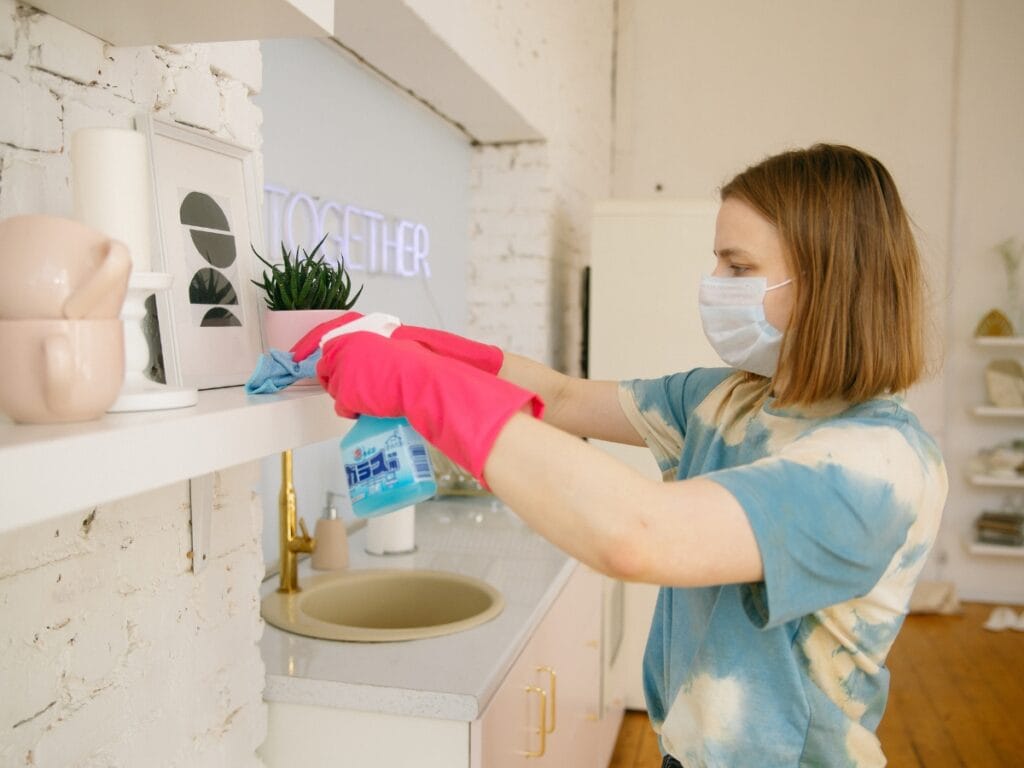
Looking at the health and environmental impact of deep cleaning vs regular cleaning can help you decide how often to schedule each type of visit. Regular cleaning does a good job of keeping visible dust, crumbs, and everyday mess under control, which already supports a healthier home. Deep cleaning goes further by targeting the hidden places where allergens and grime tend to collect, such as grout lines, vents, upholstery, and the corners that rarely see a cloth or vacuum attachment. When those areas are finally addressed, the space often feels noticeably lighter and easier to breathe in.
From a health standpoint, deep cleaning helps remove built-up dust, pet dander, mold spores, and trapped pollen that settle into fabrics and soft surfaces over time. This matters especially in North Georgia, where seasonal pollen and indoor pets can combine to keep allergy symptoms flaring. By lowering the amount of material sitting in carpets, furniture, and air pathways, deep cleaning reduces the number of irritants that get stirred up every time you walk across a room or turn on a fan. At the same time, regular maintenance keeps new layers of dust and debris from building back up too quickly, so both types of cleaning work together.
There is also a clear environmental angle to deep cleaning vs regular cleaning. When a home is thoroughly cleaned on a periodic basis, you can often maintain it with gentler products and lighter touch-up work. Surfaces that are freed from scale, soap scum, and heavy grime are easier to wipe clean, which means less scrubbing and fewer harsh chemicals over the long run. If your cleaning routine includes eco-friendly products and mindful water use, the combined effect is a healthier indoor environment with less impact on the surrounding ecosystem.
How Does Deep Cleaning Improve Indoor Air Quality And Reduce Allergens?
Deep cleaning focuses on the parts of your home that have the biggest influence on indoor air quality. Carpets and rugs are a good example. Regular vacuuming lifts surface debris, but deep extraction and slow, thorough passes help pull out the fine particles that have settled at the base of the fibers. Upholstery benefits in a similar way. When cushions and fabric surfaces are cleaned more intensively, they stop acting as quiet reservoirs for dust, pollen, and pet hair.
Vents, fans, and air returns also play a big role. Over time, these areas collect a film of dust that keeps circulating whenever the system runs. When they are wiped, vacuumed, or carefully washed during a deep clean, there are fewer particles moving through the home, which can make breathing easier for children, older adults, and anyone with asthma or allergies. Scrubbing grout, window tracks, and tight corners removes pockets of damp grime that can harbor mold or bacteria, further lowering the overall microbial load.
The result is a house that not only looks cleaner, but also feels cleaner at a deeper level. Regular cleaning keeps surfaces neat and manageable in between these sessions, while periodic deep cleaning helps reset the space so allergens and irritants do not have years to pile up unnoticed.
What Eco-Friendly Practices Support Healthier Cleaning?
Eco-friendly practices can be used in both deep and regular cleaning to protect indoor air and reduce environmental impact. Choosing biodegradable, low-toxicity products helps limit chemical residues left on counters, floors, and bathroom surfaces. This is important for households with children and pets, who are more likely to touch and taste whatever is left behind. When cleaning teams dilute products correctly, avoid unnecessary fragrances, and ventilate rooms while they work, it further supports a healthier breathing environment.
Technique matters as much as product choice. Using microfiber cloths that capture dust instead of pushing it around, cleaning from top to bottom so particles are removed rather than resettled, and changing vacuum bags or filters on a regular schedule all contribute to better air quality. Over time, these habits mean your home relies less on strong chemical cleaners and more on smart routines and tools.
When you put it all together, deep cleaning vs regular cleaning is not just about how your home looks. It is about how well the space supports your health, how comfortable it feels for sensitive family members, and how thoughtfully you treat the environment while keeping everything clean. Balancing routine upkeep with occasional, eco-conscious deep cleans gives you the best of both worlds: a house that looks cared for and a living environment that is kinder to your body and the planet.
How Does CK Cleaning Services GA Provide Superior Deep And Regular Cleaning In North Metro Atlanta?
CK Cleaning Services GA is built around local knowledge and consistent, reliable work for homeowners in North Metro Atlanta. Because the team lives and works in the same communities they serve, they understand how local weather, red clay, and high pollen seasons affect what homes actually need. That matters when you are deciding between deep cleaning vs regular cleaning, since the right mix depends on how quickly dust, pollen, and everyday mess build up where you live.
The company provides both routine upkeep and more detailed restorative work for homes in Marietta, Woodstock, Kennesaw, Alpharetta, Roswell, Jasper, Cartersville, Acworth, and nearby areas. Regular visits focus on keeping surfaces under control so you do not fall behind on basic chores, while periodic deep cleans address appliance interiors, grout, vents, and trim that do not need attention every week but still shape how clean a home feels. CK Cleaning Services GA uses eco-friendly methods whenever possible, choosing products that balance effectiveness with lower impact on indoor air. Being fully insured adds another layer of confidence for homeowners who want a professional team moving through their space.
What Makes CK Cleaning Services GA Reliable And Client-Focused?
Reliability starts with the people who show up at your door. CK Cleaning Services emphasizes training, clear cleaning protocols, and a step-by-step approach so each visit follows a consistent structure. Technicians are background checked and covered by insurance, which reduces stress for homeowners and supports long term working relationships. When the same team members return on a regular schedule, they get to know the layout of your home, your preferences, and the areas that need a little extra attention.
Being client-focused also means listening carefully to what you want from deep cleaning vs regular cleaning. Some households need help staying on top of busy kitchens and high-traffic floors. Others are more concerned with allergens, pet hair, or preparing a home for guests. CK Cleaning Services can adjust the balance between routine visits and occasional deep work so that the plan fits the way you actually live. Clear communication around priorities, special instructions, and any changes to your schedule keeps expectations aligned from visit to visit.
How Do Flexible Scheduling And Fully Insured Staff Benefit Customers?
For most families, cleaning has to fit around work, school, and everything else that fills the calendar. Flexible scheduling allows homeowners to choose weekly, biweekly, or less frequent visits, and to add a deeper session at key moments such as after a renovation, at the start of a new season, or before a big gathering. This flexibility is especially helpful when you are trying to find the right balance in the deep cleaning vs regular cleaning decision. You can start with a more intensive reset, then shift into a recurring routine that maintains that higher standard without feeling overwhelming.
Having fully insured staff provides practical peace of mind. If an accident happens or something unexpected comes up, coverage is already in place. That protection benefits both the homeowner and the technicians and helps build trust over time. When you combine thoughtful scheduling, insured and trained staff, and a clear understanding of your priorities, the result is a cleaning plan that supports your home in a realistic, sustainable way rather than a one-size-fits-all service that might not match your daily life.
What Are Common Questions About Deep Cleaning Vs Regular Cleaning?
Homeowners usually have the same core questions when they compare deep cleaning vs regular cleaning. Most people want to know what is actually included, how often each type of visit is needed, and when it makes sense to invest in a more intensive clean instead of sticking with routine upkeep. Clear answers make it easier to build a plan that fits your home, your budget, and your health needs.
What Is Included In A Deep Cleaning Service?
A deep cleaning visit reaches beyond everyday surface work and focuses on restoring areas that collect hidden grime. That usually means cleaning the inside of ovens and refrigerators, scrubbing grout and tile, detailing baseboards and trim, dusting vents and light fixtures, and using more intensive methods on carpets or upholstery when needed. Some companies also offer extras such as interior window cleaning, targeted stain removal, or specialized treatment for mold, depending on the condition of the home.
How Often Should You Schedule Deep Cleaning?
The right timing depends on how you live in your space. Many households are comfortable with a deep clean every 6 to 12 months, while homes with pets, allergies, or heavy traffic sometimes prefer every 3 to 6 months. It is also common to schedule a one time deep cleaning when you move in or out, after construction or remodeling, or before a major event. A practical approach is to start with a deep session to raise the overall standard, then use regular cleaning to maintain it.
Is Deep Cleaning Worth The Extra Cost Compared To Regular Cleaning?
Deep cleaning is worth the added cost when you are dealing with buildup that regular cleaning cannot touch, such as stained grout, stubborn grease, lingering odors, or allergy issues. By clearing out these problem areas, you often see better air quality, fewer visible stains, and less wear on finishes. Over time, that can reduce repair costs and make each regular visit more effective, since the team is maintaining a cleaner home rather than trying to catch up.
Can Regular Cleaning Maintain A Home Without Deep Cleaning?
Regular cleaning can keep a home looking presentable from week to week, but it will not fully remove embedded soils or buildup in hard-to-reach places. If you notice persistent odors, discolored grout, dust collecting on vents and ceiling fans, or allergy symptoms that do not improve even with routine visits, those are signs that a deeper level of work is needed. In the deep cleaning vs regular cleaning conversation, both have a role, and regular upkeep works best when it is supported by occasional deep care.
How Can Deep Cleaning Improve Indoor Air Quality?
Deep cleaning helps by removing dust, pet dander, pollen, and other particles that settle into carpets, upholstery, vents, and window tracks. When these reservoirs are cleaned thoroughly, fewer irritants are released into the air every time you walk across a room or run the HVAC system. Cleaning vents and related components also reduces the amount of dust that circulates through your home, which can ease breathing and lower allergy and asthma flare-ups.
Are There Eco-Friendly Products Used In Deep Cleaning?
Many professional cleaners now use biodegradable, non-toxic products that are strong enough to tackle grime but gentle enough to limit chemical residue on surfaces. These choices are especially helpful in homes with children, older adults, or pets, since there is less harsh residue on floors, counters, and bathrooms. Eco-conscious products also reduce the impact on waterways and the surrounding environment.
How Does The Cost Of Deep Cleaning Compare To Regular Cleaning?
Deep cleaning usually costs more because it takes longer, covers more areas, and may involve specialized tools or treatments. Regular cleaning focuses on surface maintenance and is quicker, so it is generally priced lower per visit. When you weigh the two, it helps to look at long-term benefits such as better air quality, slower wear on finishes, and fewer emergency cleanups, not just the upfront price.
Can Deep Cleaning Help With Pest Control?
Deep cleaning can support pest control by removing food residue, crumbs, grease, and clutter that attract ants, roaches, and rodents. Thorough attention to kitchens, bathrooms, and storage areas can also reveal small leaks or entry points that might otherwise stay hidden. While it is not a replacement for professional pest control, it is an important part of keeping your home less appealing to unwanted visitors.
What Should You Expect During A Deep Cleaning Service?
During a deep cleaning visit, you can expect a more systematic approach that covers often overlooked spots like appliance interiors, grout lines, trim, vents, and soft furnishings. The team will usually work room by room, starting high and finishing low, to avoid spreading dust back onto cleaned surfaces. The result should be a home that feels noticeably fresher and easier to maintain with regular cleaning afterward.
How Can You Maintain The Results Of A Deep Cleaning?
To keep the benefits of a deep clean as long as possible, pair it with a regular cleaning schedule that fits your household, such as weekly or biweekly visits. Simple daily habits help too, like wiping spills promptly, doing quick pick ups, and giving extra attention to high traffic areas. When you stay consistent, you stretch the time between intensive deep sessions and make the balance between deep cleaning vs regular cleaning work in your favor.
Conclusion
Understanding the difference between a regular clean and a deep clean is key to maintaining a home that’s not only tidy, but truly healthy and revitalized. Whether you need consistent upkeep or a periodic intensive refresh, choosing the right service ensures your space gets the exact care it needs. At CK Cleaning Services, we offer both customizable recurring residential cleaning plans and comprehensive deep cleans, all delivered with meticulous attention to detail and eco-conscious products. Ready for a home that feels brand new? Call (678) 949-1509 or fill out our online form for a free, no-obligation quote today. Experience the clarity of a truly clean home.